Imagine standing beneath a canopy of stars, miles away from the nearest wall outlet, only to realize your phone or GPS is about to die. In today’s digital age, our devices are not just for entertainment; they are lifelines, navigation tools, and memory keepers. A reliable Camping Power Bank transforms this anxiety into peace of mind, ensuring your essential gadgets stay charged, no matter how far off the grid you venture.
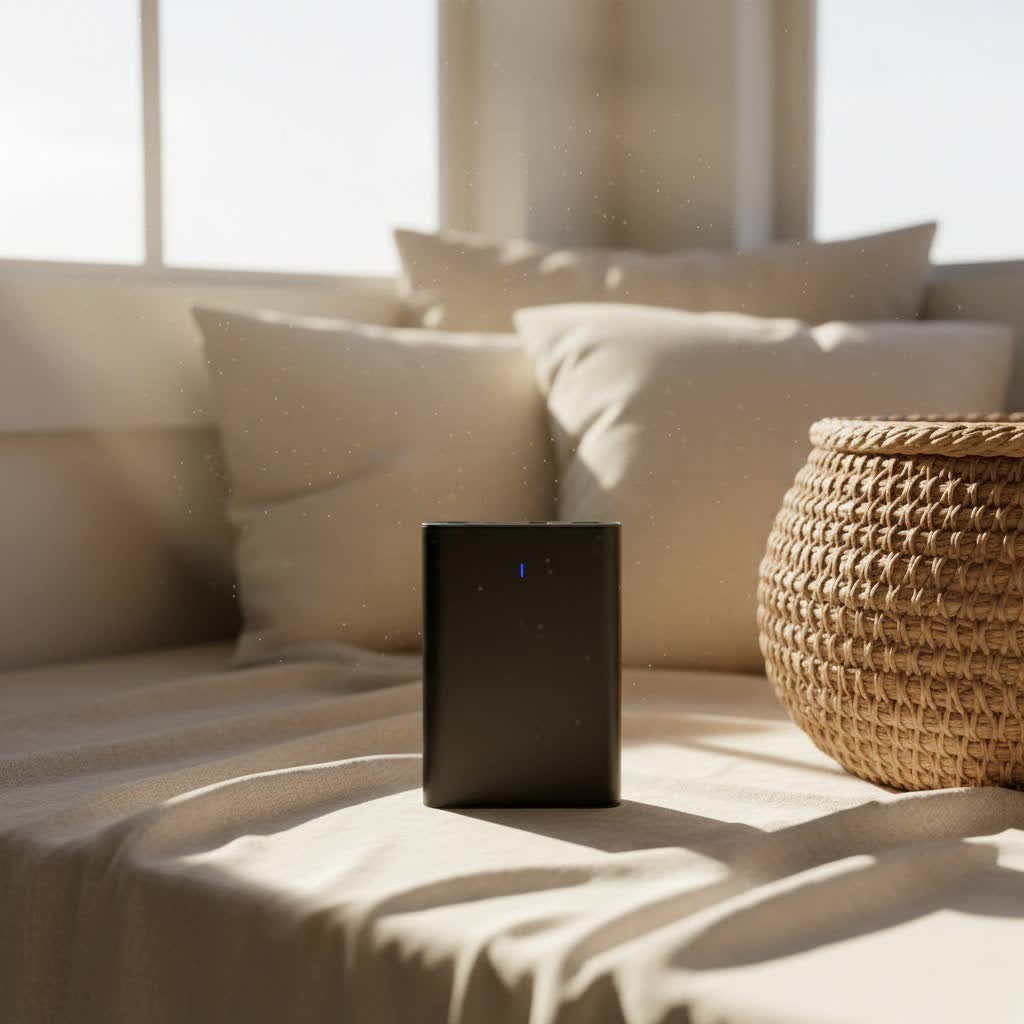
These portable energy sources have become indispensable companions for every outdoor enthusiast, from day hikers to long-term adventurers. They offer the freedom to stay connected, capture breathtaking moments, and maintain safety in remote locations, all without relying on traditional power sources. But with a market flooded with options, how do you choose the perfect power bank for your unique camping needs? Let’s dive into the exciting world of portable power and equip you with the knowledge to make an informed decision.
What is a Power Bank? Why Do You Need One for Camping?
A power bank is essentially a portable, rechargeable battery designed to store electrical energy and deliver it to your electronic devices on the go. Think of it as your personal, pocket-sized power grid for the wilderness. For camping, these devices are more than just a convenience; they are a necessity, ensuring uninterrupted access to critical tools and communication.
- Ensuring Safety and Connectivity: In remote areas, a charged phone or satellite communicator can be a lifeline for emergencies, weather updates, or simply contacting loved ones. A power bank guarantees you have the juice when it matters most.
- Navigation and Exploration: Modern campers often rely on smartphones or dedicated GPS devices for navigation. Keeping these powered up prevents getting lost and allows for confident exploration of new trails.
- Capturing Memories: From stunning landscapes to candid campfire moments, your camera and smartphone are vital for capturing the beauty of nature. A power bank ensures you never miss a shot due to a dead battery.
- Powering Camp Essentials: Beyond personal devices, power banks can run LED lanterns, headlamps, portable fans, and even charge small camping stoves, significantly enhancing comfort and functionality at your campsite.
- Emergency Backup: Unexpected situations like power outages at home or in the wilderness highlight the value of a fully charged power bank, providing a crucial power reserve.
Popular Types of Camping Power Banks
The market offers a diverse range of power banks, each designed with specific features to cater to different camping styles and power requirements. Understanding these variations is key to selecting the ideal companion for your outdoor escapades.
Classification by Capacity (mAh)
Power bank capacity is measured in milliampere-hours (mAh), indicating how much energy it can store. The higher the mAh, the more charge it can hold and deliver.
- Small Capacity (5,000-10,000 mAh):
- Pros: Extremely lightweight, compact, and highly portable. Ideal for minimalist campers or short day hikes.
- Cons: Limited charges, typically only enough for 1-2 smartphone recharges.
- Ideal User: Day hikers, ultralight backpackers, or those needing a small emergency backup for a single device.
- Medium Capacity (10,000-20,000 mAh):
- Pros: Good balance of portability and power, often providing 2-4 smartphone charges or a tablet recharge. Many offer fast-charging capabilities.
- Cons: Can be slightly heavier than smaller models, might not suffice for multiple heavy-use devices over several days.
- Ideal User: Weekend campers, short backpacking trips, or individuals with multiple personal devices like a phone and headlamp.
- Large Capacity (20,000mAh+ / 100-200Wh):
- Pros: Can recharge smartphones multiple times (5+), handle tablets, and even some laptops. Excellent for extended trips or charging multiple devices simultaneously. Many also fall into the category of “portable power stations” with higher wattage outputs.
- Cons: Heavier and bulkier, less suitable for ultralight backpacking. Can take longer to fully recharge the power bank itself.
- Ideal User: Car campers, groups, digital nomads, or anyone on multi-day expeditions needing consistent power for several devices, including laptops.
|
Our Picks for the Best Power Bank in 2026
As an Amazon Associate I earn from qualifying purchases.
|
||
| Num | Product | Action |
|---|---|---|
| 1 | Anker Power Bank(PowerCore 10K), Compact Travel-Ready 10,000mAh Battery Pack with PowerIQ Charging Technology, 5V/3A High-Speed Charging for iPhone, iPad,and More(USB-C Input and Output(Black), 1pack) |

|
| 2 | Anker Zolo Power Bank (2025 Upgraded Version), 20,000mAh 30W High-Speed Portable Charger with Built-in USB-C Cable, Battery Pack for iPhone 17/16 / 15 Series, Galaxy, and More |
|
| 3 | INIU Portable Charger, Ultra Slim 45W Fast Charging with Attached USB C Cable, Flight-Safe 10000mAh PD Power Bank Battery Pack, Travel Essential Phone Powerbank for iPhone 17 16 Samsung S25 Google etc |
|
| 4 | Anker 737 Power Bank, 24,000mAh 3-Port Laptop Portable Charger with 140W Fast Charging, Smart Display, for Outdoor Work, Compatible with iPhone 16/15/14 Series, Vision Pro, Samsung, MacBook, and More |
|
| 5 | Anker Laptop Power Bank, 25,000mAh Portable Charger with Triple 100W USB-C Ports, Built-in Retractable Cables, Flight-Approved for Travel, iPhone 17/16 Series, MacBook, Samsung, and More |
|
| 6 | Portable Charger 50800mAh Power Bank with 3 Built in Cables,25W PD QC4.0 Fast Charging USB C Battery Pack,6 Outputs 2 Inputs Travel Essentials Portable Phone Charger for iPhone 17/16/15,Google,Android |
|
| 7 | Anker Prime Power Bank, 26,250mAh 3-Port Portable Charger with 300W Max Output, Two-Way Charging, TSA-Approved, App Control, for MacBook, iPhone 17/16 Series, and More (Base Not Included) |
|
| 8 | BLAVOR Solar Power Bank with Hand Crank and 4 Cables, 20000mAh Wireless Portable Charger with USB C & Camping Light, 20W Fast Charging Battery Pack for iPhone, iPad, Samsung, All Mobile Phones |
|
| 9 | LENUTO for Magsafe Portable Charger 10000mAh Magnetic Portable Charger with Type-C Cable 20W PD Fast Charging,Foldable Stand,Dual Type-C & USB-A Outputs,LED Display–Space Gray |
|
| 10 | ERRBBIC Solar Charger Power Bank 20000mAh, Portable Wireless Charger, 15W Fast Charging External Battery Pack with Dual Flashlight and USB C Outputs, Outdoor Mobile Power Compatible with Cell Phones |
|
Classification by Charging Technology
Modern power banks incorporate advanced technologies to optimize charging speed and versatility.
- Fast Charging (e.g., USB Power Delivery – PD, Quick Charge):
- Pros: Significantly reduces device charging time, crucial when you have limited access to power. USB-C PD is common for laptops and newer smartphones.
- Cons: Requires compatible devices and cables to achieve maximum speeds. Can generate more heat.
- Compatible Devices: Most modern smartphones, tablets, and many USB-C laptops.
- Wireless Charging:
- Pros: Convenient, cable-free charging for compatible devices. Great for reducing cable clutter at the campsite.
- Cons: Slower than wired fast charging, less efficient (some energy loss as heat), requires careful device placement.
- Compatible Devices: Smartphones and other gadgets with Qi wireless charging capabilities.
- Solar Charging:
- Pros: Sustainable and renewable power source, ideal for extended off-grid trips where wall outlets are non-existent. Can trickle-charge the power bank over time.
- Cons: Efficiency depends heavily on sunlight availability and intensity. Solar panels on power banks are often slow for a full recharge; better for maintaining charge or emergencies. Larger, separate solar panels offer faster charging but add bulk.
- Ideal User: Extended wilderness trips, emergencies, or eco-conscious campers who want to supplement their power.
Classification by Brand
Reputable brands often guarantee quality, safety, and reliable performance.
- Anker: Known for high-quality, durable power banks with excellent capacity and fast-charging capabilities. Often a go-to for reliability.
- Goal Zero: Specializes in rugged outdoor power solutions, including solar-compatible power banks and larger portable power stations. Favored for their robustness.
- BioLite: Offers innovative outdoor gear, including power banks integrated with other camp essentials like lanterns.
- Jackery & EcoFlow: While often focused on larger portable power stations, they also offer compact solutions suitable for car camping or group trips, renowned for high capacity and multiple output options, including AC outlets.
- Cygnett, NESTOUT, UGREEN, BLAVOR, POWEREPUBLIC: These brands also offer a range of power banks with features like rugged designs, integrated cables, and solar options, catering to outdoor enthusiasts.
Comparison Table: Popular Types of Camping Power Banks
Choosing the right camping power bank involves weighing various factors against your specific needs. Here’s a general comparison to help you visualize the differences.
| Feature | Small Capacity (e.g., 5,000-10,000 mAh) | Medium Capacity (e.g., 10,000-20,000 mAh) | Large Capacity (e.g., 20,000mAh+ / Portable Power Station) |
|---|---|---|---|
| Capacity | ~1-2 phone charges | ~2-4 phone charges, 1 tablet charge | ~5+ phone charges, multiple device charges, laptop power |
| Portability | Excellent (pocket-sized, very light) | Very Good (compact, light to moderate) | Moderate (heavier, bulkier, often backpack or car-based) |
| Fast Charging | Often limited or basic fast charging | Common, especially USB-C PD | Very common, high wattage USB-C PD, sometimes AC outlets |
| Solar Option | Rare or very slow trickle charge | Some models offer integrated solar | More common, often with external panel compatibility |
| Durability | Varies, some rugged options | Good, many rugged and weather-resistant | Excellent, typically rugged, water/dustproof (IP ratings) |
| Price Range | Low to Mid | Mid | Mid to High |
| Best For | Day hikes, emergency backup, ultralight | Weekend trips, backpacking, multiple devices | Car camping, group trips, extended off-grid, laptops |
| Typical Brands | Anker, Goal Zero Flip, Zendure | Anker, BioLite, Goal Zero, INIU | Anker, Jackery, EcoFlow, Goal Zero Yeti, POWEREPUBLIC |
> “The right power bank isn’t just about capacity; it’s about matching its features like durability, charging speed, and input options to the actual demands of your adventure.” – Admin, ReviewZcard.com, Power Bank Specialist
How to Choose the Right Camping Power Bank
Selecting the perfect power bank for your camping adventures doesn’t have to be daunting. By focusing on your specific needs and understanding key technical specifications, you can confidently choose a device that keeps you powered up.
Determine Your Usage Needs
Start by evaluating what you’ll be charging and for how long.
- Which Devices? Are you primarily charging a smartphone, GPS, headlamp, camera, tablet, or even a laptop? Each device has different power requirements.
- How Much Capacity? Consider the number of devices and how many times you expect to recharge them. For a typical smartphone (approx. 3,000 mAh battery), a 10,000 mAh power bank can provide about 2-3 full charges, considering efficiency losses. For multi-day trips or powering laptops, a 20,000 mAh+ or even a portable power station (measured in Watt-hours, Wh) might be necessary.
- Do You Need Fast Charging? If you’re short on time or have power-hungry devices, fast-charging capabilities (e.g., USB-C Power Delivery at 18W, 30W, or higher) are essential.
- What’s Your Budget? Power banks vary widely in price. Determine how much you’re willing to invest, balancing cost with features and quality.
Understand Key Technical Specifications
Familiarizing yourself with these terms will help you compare models effectively.
- Capacity (mAh/Wh): As discussed, this indicates the battery’s total energy storage. Remember that real-world efficiency means you’ll get slightly less usable power than the stated mAh. For larger power needs, look at Watt-hours (Wh), especially for portable power stations.
- Charging Ports (USB-A, USB-C, Lightning): Ensure the power bank has the correct output ports to match your devices’ cables. USB-C is becoming standard for fast charging and modern devices.
- Output Voltage and Current (V/A): These determine how quickly and effectively your devices will charge. Look for higher amperage (A) and appropriate voltage (V) for faster charging. Power Delivery (PD) over USB-C dynamically adjusts these for optimal speed.
- Input Methods: How will you recharge the power bank itself? Common methods include wall adapters (USB-C), car chargers, and solar panels. Consider what’s most practical for your camping style.
- Protection Features: Look for built-in safeguards against over-charging, over-discharging, short-circuits, over-current, and over-temperature. These are crucial for both device safety and battery longevity.
Choose a Reputable Brand
Investing in a power bank from a well-known, trusted brand often provides greater peace of mind regarding quality, safety, and customer support.
- User Reviews: Consult reviews from other campers and outdoor enthusiasts. Real-world experiences offer valuable insights into performance and reliability in rugged conditions.
- Warranty and Support: Check the manufacturer’s warranty and after-sales service. Good support is a hallmark of a reliable brand.
- Safety Certifications: Prioritize products with recognized safety certifications, which confirm they meet industry standards for safe operation.
Compare Prices
Shop around and compare prices from different retailers, but always prioritize quality and features over simply the lowest price. A cheap, unreliable power bank can quickly become a liability in the wilderness.
- Value vs. Cost: Don’t sacrifice essential features like durability or sufficient capacity for a slightly lower price. Consider the long-term value and reliability.
Top 5 Camping Power Banks for 2026
Based on extensive research into capacity, durability, charging technology, and user feedback, here are five highly-rated camping power banks and portable power stations suitable for various outdoor needs.
-
Anker SOLIX C300 DC Power Bank Station (288Wh / ~90,000mAh):
- Capacity: High (288Wh), excellent for multi-day trips.
- Features: Multiple charging ports including USB-C PD, robust design, often praised for reliability. Can power laptops and other larger devices.
- Pros: Very high capacity, durable, versatile outputs.
- Cons: Heavier than typical power banks, best for car camping or base camps.
- Ideal User: Car campers, groups, or those needing robust power for extended periods.
-
BioLite Charge 80 PD Power Bank (20,000 mAh):
- Capacity: 20,000 mAh, offering several smartphone charges.
- Features: Fast-charging USB-C PD (up to 18W), two USB-A ports, durable construction designed for backcountry use. Feels well-made and resistant to scratches.
- Pros: Durable, good capacity for backpacking, fast charging.
- Cons: A bit large for a 20,000 mAh unit.
- Ideal User: Backpackers, hikers who need reliable power for multiple days and devices.
-
Goal Zero Venture 70 (17,700 mAh):
- Capacity: 17,700 mAh, typically 5 smartphone charges.
- Features: Seriously rugged with an IP67 rating (waterproof and dustproof), two high-speed USB outputs (2.4A), smart charge feature, pass-through charging.
- Pros: Extremely durable and weather-resistant, excellent for harsh conditions.
- Cons: Capacity might be slightly lower than some competitors for its size.
- Ideal User: Adventure campers, kayakers, or anyone in unpredictable weather conditions.
-
BLAVOR Solar Power Bank (20,000 mAh):
- Capacity: 20,000 mAh.
- Features: Integrated solar panel (primarily for emergency/trickle charging), built-in cables (USB-C, Lightning, Micro-USB), wireless charging pad, LED flashlight, compass, thermometer.
- Pros: Highly versatile with many integrated features, decent capacity, good for emergencies.
- Cons: Solar charging is slow; not meant as a primary charging method.
- Ideal User: Campers looking for an all-in-one emergency kit, or those wanting versatile charging options.
-
Anker PowerCore 337 (26,800 mAh):
- Capacity: Massive 26,800 mAh, capable of 6+ smartphone charges.
- Features: Three USB-A output ports for simultaneous charging, airline-compliant despite high capacity, sturdy and reliable build.
- Pros: Huge capacity for long trips, multiple charging ports.
- Cons: Heavier (just under 500g), primarily USB-A outputs which may not be as fast as modern USB-C PD.
- Ideal User: Long-haul travelers, car campers, or anyone needing extensive power for multiple USB-A devices.
How to Use and Maintain Your Camping Power Bank Correctly
To maximize the lifespan and efficiency of your camping power bank, proper usage and storage are crucial.
Correct Usage
- Fully Charge Before Trips: Always ensure your power bank is fully charged before heading out. For larger units, this may take several hours.
- Use Appropriate Cables: Always use the original or high-quality, manufacturer-recommended charging cables. Using incorrect or damaged cables can impair charging speed and pose safety risks.
- Monitor Environmental Conditions: Avoid exposing your power bank to extreme temperatures (hot or cold), direct sunlight, or moisture. Lithium-ion batteries are sensitive to these conditions and can lose efficiency or be damaged. Charge devices in a shaded, dry area.
- Don’t Overload: While many power banks have multiple ports, continuously charging several high-draw devices simultaneously can strain the unit and reduce its overall efficiency.
- Unplug When Full: Disconnect your devices once they are fully charged to prevent unnecessary drain on the power bank’s battery and prolong its life.
Proper Storage and Maintenance
- Cool, Dry Place: Store your power bank in a cool, dry environment away from direct sunlight, heat sources, and flammable materials.
- Partial Charge for Storage: If storing for an extended period, aim for a partial charge (around 50-80%) rather than a full or completely empty state, as this is better for battery health.
- Regular Inspection: Periodically check your power bank, cables, and adapters for any signs of physical damage, such as cracks, bulges, exposed wires, or unusual odors. If you notice any issues, stop using it immediately and consider proper disposal.
- Keep Away from Metal Objects: Avoid storing power banks with metal objects (like keys or coins) that could short-circuit the ports.
- No Self-Repairs: Never attempt to open or repair a power bank yourself, as this can be dangerous and void any warranty.
- Proper Disposal: When a power bank reaches the end of its life or is damaged, dispose of it responsibly at an e-waste recycling point.
Conclusion
A reliable camping power bank is more than just an accessory; it’s an investment in your safety, convenience, and ability to fully experience the great outdoors. By carefully considering your devices, trip duration, and the unique challenges of wilderness environments, you can choose a power bank that seamlessly integrates into your adventure gear. From compact models for day trips to robust portable power stations for extended off-grid living, the right power bank ensures you stay connected, navigate confidently, and capture every unforgettable moment.
So, as you plan your next escape into nature, remember that preparedness extends to your power needs. What kind of unforgettable memories will you capture when you know your devices will always be ready?
Frequently Asked Questions
What capacity power bank is generally sufficient for a weekend camping trip?
For a weekend camping trip, a power bank with a capacity of 10,000 mAh to 20,000 mAh is typically sufficient for most users. This range allows for multiple smartphone charges and keeps smaller devices like headlamps or GPS units powered throughout your adventure.
Are solar power banks reliable for primary charging during camping?
Solar power banks are excellent for supplementing power and for emergency situations during extended trips without electricity. However, their charging efficiency heavily relies on direct sunlight and can be slow, making them generally less reliable as a primary charging source for a full, rapid recharge.
Can I bring a high-capacity power bank on an airplane?
The Transportation Security Administration (TSA) generally requires spare lithium-ion batteries, including power banks, with 100 Watt-hours (Wh) or less to be carried in carry-on bags only. Power banks between 101 Wh and 160 Wh require airline approval. Most power banks under 27,000 mAh are within the 100 Wh limit.
What’s the difference between a power bank and a portable power station?
Power banks are typically smaller, lighter, and measured in milliamp-hours (mAh), primarily designed for charging personal electronic devices. Portable power stations are larger, measured in Watt-hours (Wh), often include AC outlets, and are capable of powering multiple devices and even small appliances, making them suitable for car camping or home backup.
How do I know if my power bank is compatible with fast charging?
Check the power bank’s specifications for terms like “USB Power Delivery (PD),” “Quick Charge (QC),” or specific wattage outputs (e.g., 18W, 30W, 60W). Your device and charging cable must also support the same fast-charging standard to achieve optimal speeds.
